
Why Middlebridge Excels in Educational Design for Students with ADHD and EF Challenges

Confidence grows when students feel supported and understood.
Students with ADHD and executive functioning challenges are bright, capable, and full of potential, but traditional school environments don’t always work in their favor. Large class sizes, fast-paced schedules, competing priorities, and limited individual support can make it difficult for our students to stay organized, manage time, regulate attention, and demonstrate what they truly know.
At Middlebridge School, supporting students with ADHD and executive functioning differences isn’t an add-on or accommodation, it’s woven into the fabric of how we teach, structure the day, and build relationships. Our approach is intentional, highly personalized, and grounded in an understanding of how students learn best.
Small Structure, Big Impact
One of the most important factors in supporting executive functioning is predictable structure paired with flexibility, and Middlebridge is intentionally designed around both. Small class sizes of no more than eight students allow teachers to slow down instruction when needed, check for understanding in real time, and help students break complex tasks into manageable steps.
Daily routines are clear and consistent, helping students anticipate expectations while developing independence over time. For students who struggle with organization, planning, or task initiation, this structure provides a foundation for success without feeling rigid or punitive.
Study hall, proctored by teaching faculty, takes place immediately following the school day to support students with task initiation and time management. Students demonstrate content capability with embedded executive function support.

Personalized instruction in action.
Teaching Executive Functioning Skills Explicitly
At Middlebridge, executive functioning skills are not assumed—they are taught, practiced, and reinforced across the school day. Students receive direct support in areas such as time management, organization, prioritization, self-monitoring, and goal setting.
Teachers regularly help students:
Break long-term assignments into smaller deadlines
Use planners and digital tools effectively
Reflect on what strategies are working (and which aren’t)
Learn how to advocate for support when they need it
Over time, students begin to internalize these skills, gaining confidence in their ability to manage academic demands independently.
Relationships That Drive Accountability
Students with ADHD often do best when they feel genuinely known. At Middlebridge, strong relationships between students and faculty are central to our success. Teachers, advisors, and student life faculty communicate closely, creating a shared understanding of each student’s strengths, challenges, and goals.
This team-based approach allows us to:
Catch small issues before they become larger problems
Provide consistent expectations across settings
Hold students accountable in ways that are supportive rather than punitive
Accountability at Middlebridge is rooted in trust, clarity, and follow-through—key elements for students developing executive functioning skills.
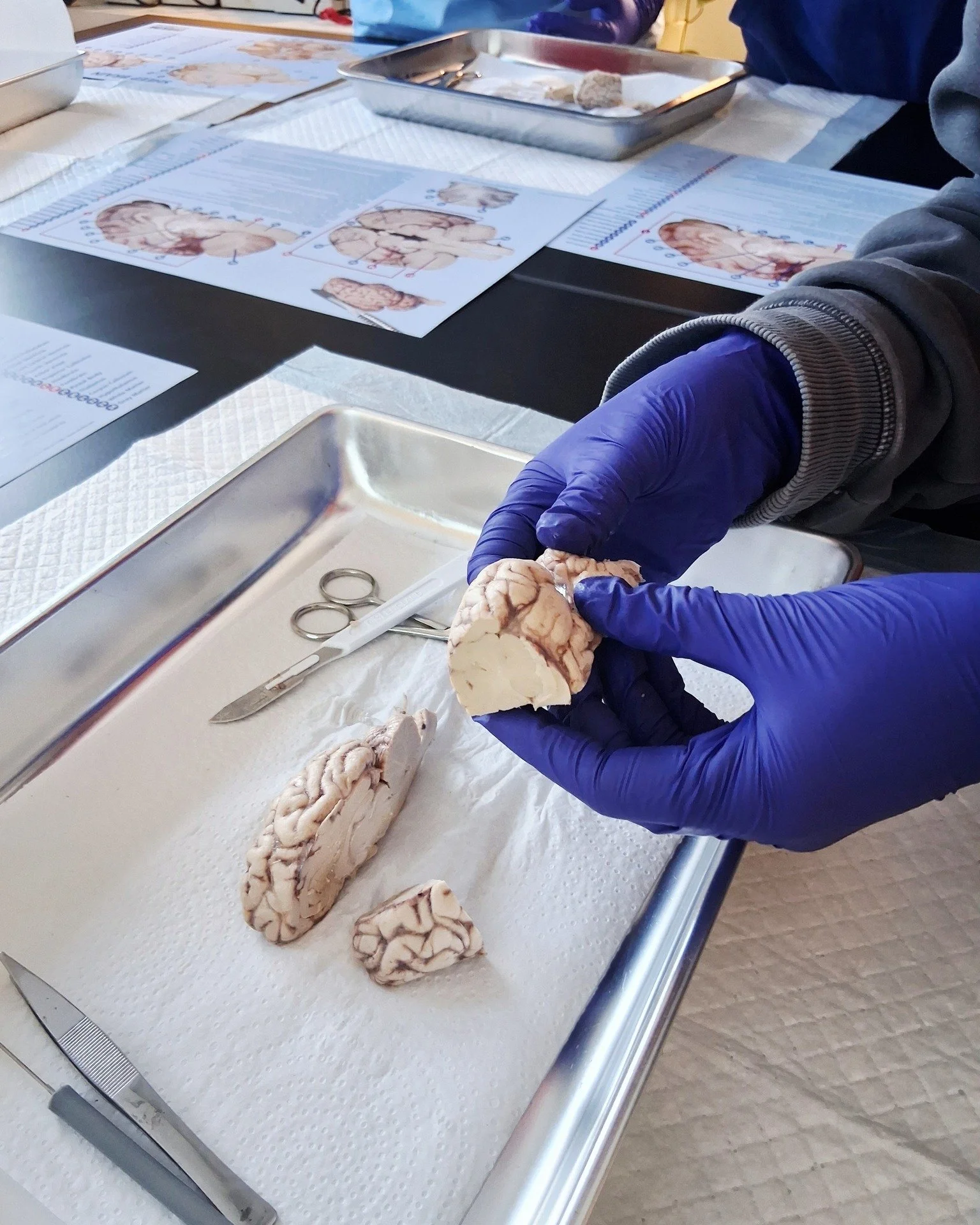
Students engage in a hands-on sheep brain dissection as part of Anatomy class.
Learning That Engages Attention
Attention challenges are often mistaken for a lack of motivation, when in reality, students may need more engaging, hands-on learning experiences. Middlebridge emphasizes active, experiential learning across disciplines, helping students stay engaged and invested in their work.
Whether through labs, discussions, project-based learning, or real-world applications, students are encouraged to interact with material in ways that make learning meaningful. This approach not only supports attention and focus, but also helps students develop confidence in their intellectual abilities.
A Supportive Student Life Environment
For boarding students, the Middlebridge student life program extends executive functioning support beyond the classroom. Evenings are structured with guidance around homework, routines, and self-care, helping students learn how to manage time and responsibilities in a supportive environment.
Student Life faculty reinforce the same strategies students use during the academic day, creating consistency that is especially important for students with ADHD. This continuity allows students to practice independence while knowing support is always close by.
Building Confidence, Not Compliance

Science class focusing on hands on work.
Perhaps most importantly, Middlebridge focuses on helping students understand how they learn—not just how to meet expectations. Students are encouraged to recognize their strengths, reflect on challenges, and develop strategies that work for them.
As students gain skills and confidence, many experience a shift in how they see themselves: from struggling or overwhelmed to capable, resilient, and self-aware. That confidence carries with them into college and beyond.
A Place Where Students Can Thrive
Middlebridge excels with ADHD and executive functioning differences because we see the whole student. By combining structure, individualized support, strong relationships, and engaging instruction, we create an environment where students don’t just cope—they grow.
When students feel understood and supported, they are able to focus less on managing obstacles and more on discovering their potential. That’s where real progress begins.

From arrival to graduation: the celebration of four years of growth, support, and momentum.